
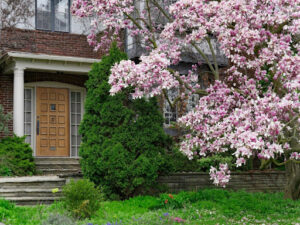
Choosing the right tree for your home is one of those decisions that feels simple — until you realize how many options there are. You might want more shade for your patio, a natural privacy screen to block the neighbors, or something that blooms every spring and makes your front yard look like a postcard.
The good news is this: there is a perfect tree for your property. The trick is picking one that fits your space, your goals, and your long-term expectations. Some trees grow fast but require more maintenance. Others grow slowly but become long-lasting centerpieces that add beauty and value for decades.
Below, we’re breaking down some of the best types of trees for homes, based on what homeowners typically want most: privacy, shade, and flowering color.
What Makes a Tree “Right” for a Home Landscape?
Not every tree belongs in a residential yard. A tree might look great at a nursery, but if it grows too wide, too tall, or has aggressive roots, it can quickly become a problem.
Before choosing a tree, it helps to consider:
- How much space you have (both above and below ground)
- Whether you want fast growth or long-term durability
- How close the tree will be to driveways, sidewalks, or foundations
- Whether you want year-round greenery or seasonal color
- How much cleanup you’re willing to deal with
A well-chosen tree can provide comfort, beauty, and energy savings. A poorly chosen one can mean constant trimming, cracked pavement, or expensive removal down the road.
Best Trees for Privacy Around a Home
If you want to block road noise, create a backyard retreat, or stop looking directly into your neighbor’s kitchen window, privacy trees are the way to go.
The best privacy trees are thick, full, and dependable. Many homeowners prefer evergreens since they stay dense all year long.
Taylor Juniper
Taylor Juniper is a tall, narrow evergreen that works exceptionally well in tighter spaces. Its columnar shape makes it ideal for property lines where you want privacy without sacrificing too much yard space.
It maintains a rich green color year-round and requires minimal pruning once established, making it a dependable and low-maintenance privacy option.
Burkii Juniper
Burkii Juniper offers a fuller, more pyramidal shape compared to slimmer varieties. Its dense blue-green foliage creates strong visual coverage, which makes it a great natural screen for backyards and side yards.
It’s hardy, adaptable to Oklahoma conditions, and handles heat and drought well once established.
Arizona Cypress
Arizona Cypress stands out with its attractive silvery-blue foliage and thick branching structure. It grows relatively quickly and forms a strong privacy barrier when planted in rows.
This tree thrives in sunny conditions and adds both coverage and visual interest to residential landscapes.
Best Shade Trees for Cooling Your Yard
Shade trees do more than make your yard look inviting. They can make your outdoor space usable during hot weather and even reduce how hard your AC has to work.
The best shade trees grow wide canopies and offer strong branch structure.
Red Maple
Red Maple is a standout shade tree because it grows fairly quickly and offers beautiful seasonal color. It’s a great option if you want shade in the summer but still want a tree that adds visual interest throughout the year.
Its canopy can become broad and full, making it ideal for yards with open space.
Chinkapin Oak
Chinkapin Oak is a strong, adaptable shade tree that performs well in a variety of soil types. It develops a broad canopy over time, creating dependable shade and a sturdy landscape presence.
It grows at a moderate rate and is known for its durability, making it a smart long-term investment for homeowners who want both strength and structure.
Chinese Pistache
Chinese Pistache is a fast-growing shade tree known for its rounded canopy and vibrant fall color. During the warmer months, its dense foliage provides excellent cooling coverage.
In the fall, it transforms into brilliant shades of red and orange, giving homeowners both shade and seasonal beauty in one tree.
Best Flowering Trees for Curb Appeal
Flowering trees are perfect for homeowners who want a yard that looks alive, welcoming, and colorful. They bring personality to landscapes and often become the centerpiece of front yards.
The best flowering trees offer strong blooms without being overly fragile or messy.
Dogwood
Dogwood trees are one of the most beloved flowering trees for residential landscapes. They bloom beautifully and stay relatively manageable in size, making them a great fit for smaller yards.
They also bring a softer, elegant look that works well near walkways and patios.
Redbud
Redbud trees bloom early and bring striking color when most other plants still look sleepy. Their flowers stand out, and their size makes them easy to fit into many types of landscapes.
They also work great as accent trees when you want something eye-catching without overpowering your yard.
Crape Myrtle
Crape Myrtle trees are popular for their long-lasting blooms and unique bark texture. They can be shaped easily, and their flowers keep coming through the warm season, giving you color for weeks instead of days.
They’re a smart pick for homeowners who want vibrant curb appeal with relatively low maintenance.
Best Low-Maintenance Trees for Homeowners
Not everyone wants to spend weekends pruning, raking, and worrying about leaf drop. If you want a tree that looks good without demanding constant attention, there are several strong options.
Ginkgo
Ginkgo trees are extremely resilient and have a unique fan-shaped leaf that stands out from most traditional shade trees. They’re known for being durable and resistant to many common tree problems. They also provide a gorgeous golden color in the fall.
Japanese Maple
Japanese Maple trees offer a graceful shape, beautiful foliage, and a manageable size. They’re ideal for homeowners who want something ornamental without dealing with a huge canopy or aggressive roots. They work especially well in landscaped garden areas and front yard designs.
Magnolia
Magnolia trees provide big, bold blooms and an unmistakable look. Many varieties are fairly easy to maintain and add a strong decorative touch to residential yards. They’re a great option if you want something that feels classic and upscale.
Trees to Avoid Planting Too Close to Your House
Some trees are beautiful, but their roots, size, or branch structure can cause problems if planted in the wrong spot.
A few common troublemakers include:
- Trees with aggressive roots that can damage driveways and foundations
- Fast-growing trees with weak limbs that break easily
- Trees that grow far larger than expected and overwhelm small yards
That doesn’t mean these trees are “bad,” but they need proper placement and planning. The right tree in the wrong location can become an expensive mistake.
How to Choose the Best Tree for Your Yard
The best types of trees for homes depend on what you want most.
If your goal is privacy, you’ll want thick evergreens planted in strategic rows. If your goal is shade, you’ll need a tree with a broad canopy and strong growth potential. If you want beauty and seasonal color, flowering trees can completely transform your curb appeal.
But there’s also a practical side to the decision. Sun exposure, drainage, soil health, and space all affect whether a tree thrives or struggles.
A professional evaluation can help you avoid planting something that will cause issues later.
Get Expert Tree Guidance From Arbor Image Tree Care
Planting the right tree is an investment in your home’s comfort, value, and beauty. If you want help choosing the best privacy trees, shade trees, or flowering trees for your landscape, Arbor Image Tree Care is here to help.
Our team proudly serves homeowners across Oklahoma, offering professional tree inspections, tree planting recommendations, trimming, and long-term plant health care. Whether you’re starting fresh with a new landscape plan or upgrading your yard for more shade and privacy, we’ll help you make a smart choice that benefits your property for years to come.
Reach out to Arbor Image Tree Care today to schedule a consultation and take the first step toward a healthier, more beautiful yard.