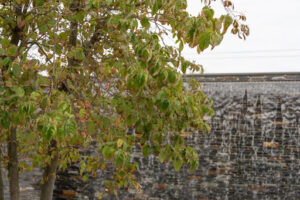
It usually starts with a glance out the window. Maybe that shade tree that’s been the backdrop for every family barbecue suddenly looks dull, or a few branches near the top are turning yellow while the rest stay green. It’s easy to hope it’s just the season or a dry week, but discoloration often hints at something deeper.
Trees don’t change color out of nowhere. They respond to what’s happening around and beneath them. When their leaves start losing their color, it’s their way of saying something isn’t right. In Oklahoma, those signals can point to a range of stressors, including pests, fungi, poor soil, or weather extremes. The key is figuring out what’s behind the problem before it spreads.
What’s Behind Tree Discoloration
When leaves fade, spot, or brown before their time, the causes of tree discoloration usually trace back to a few main factors: environment, nutrition, pests, or disease.
Soil plays a huge role. Oklahoma’s soil varies widely, and many yards struggle with compacted or poorly drained ground. Roots suffocate when they can’t get enough oxygen, and that stress shows up in the canopy above. The result is uneven color, stunted growth, or early leaf drop.
Insects are another common threat. Aphids, borers, and scale insects feed on sap or chew through vital tissue, cutting off nutrients and water. Their damage can mimic drought symptoms, making diagnosis tricky without a close inspection. Fungal infections and bacterial blights thrive in humid Oklahoma conditions, too, spreading fast after spring rains.
A professional tree inspection and consultation can pinpoint which of these issues is actually at play. Guessing can waste valuable time while the problem worsens, so an accurate diagnosis is worth it.
Common Tree Diseases in Oklahoma
Tree diseases thrive in Oklahoma’s mix of humidity and heat. While each disease looks different, they share one thing in common: they weaken a tree’s ability to produce and transport nutrients. Below are some of the common tree diseases in Oklahoma that can cause leaves to discolor, wilt, or fall prematurely.
Anthracnose
Anthracnose affects many hardwoods, including sycamore, oak, and maple. It causes dark, irregular blotches on leaves and may lead to early defoliation. In wet springs, it spreads fast, giving trees a burnt or patchy look.
Cedar-Apple Rust
This disease alternates between cedar and apple trees, making it especially tricky. It shows up as orange or rusty spots on leaves and can cause early leaf drop. Although it rarely kills the tree, it weakens it over time, reducing fruit quality and growth.
Bacterial Leaf Scorch
Bacterial Leaf Scorch mimics drought stress. Leaves turn yellow or brown along the edges while the center remains green. It often appears in late summer and affects oaks, elms, and maples across Oklahoma. Over several years, it can lead to branch dieback and decline.
Root Rot
When the soil stays too wet, fungi thrive around the roots. Root rot prevents trees from absorbing nutrients properly. Symptoms often appear at the top first. You might notice yellowing leaves, thinning canopies, and poor growth. Because the damage happens underground, root rot often goes unnoticed until it’s advanced.
These are only a few examples of common tree diseases in Oklahoma, but each one can change how your trees look, grow, and survive. Regular checkups can make all the difference in spotting them early.
Other Stressors That Mimic Disease
Not all discoloration is caused by infection. Sometimes the causes of tree discoloration are environmental or mechanical. Drought, overwatering, or excessive fertilizer can all alter how a tree takes in nutrients. Lawn chemicals or soil compaction from foot traffic can also damage delicate root systems.
Improper pruning adds even more stress. Cutting large sections of the canopy or trimming at the wrong time of year leaves open wounds that take months to heal. Those wounds can become entry points for insects or disease.
That is why our plant health care services focus on strengthening trees before problems develop. We evaluate soil conditions, check for pests, and apply treatments that support growth instead of masking symptoms. We only use pesticides or herbicides when absolutely necessary and apply them carefully to protect nearby plants.
The Importance of a Professional Diagnosis
It’s tempting to try to fix tree issues with over-the-counter sprays or fertilizers, but many products only address symptoms, not the root cause. An accurate diagnosis determines what is actually happening beneath the surface. Some common tree diseases in Oklahoma look similar to nutrient deficiencies or pest problems, which makes professional insight vital.
During a professional inspection, arborists evaluate every layer of the tree’s health, including the canopy, trunk, and soil. Our team at Arbor Image Tree Care examines signs of fungus, insect activity, root damage, and moisture levels to form a complete picture. By identifying the true problem, we can apply targeted solutions that help your trees recover faster and stay stronger.
If a tree is too far gone to recover, our team can also assist with safe and careful tree removal. Removal is always our last option, but sometimes it is necessary to protect the surrounding landscape.
Protect Your Trees With Arbor Image Tree Care
Discoloration might seem like a small change at first, but it can reveal a much bigger story about what is happening in your yard. Oklahoma’s environment can be tough on trees, but the right care and timely treatment can keep them thriving for decades.
If your trees are showing signs of discoloration or you suspect disease, now is the time to act. Schedule a visit with Arbor Image Tree Care for a professional evaluation and treatment tailored to your property. We will identify the causes of tree discoloration, create a custom plan for recovery, and help restore the natural beauty of your landscape.
Healthy trees do more than look good. They strengthen the ecosystem of your yard and add comfort to your home. Let us help you keep them that way!