
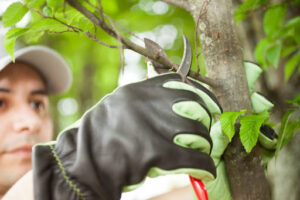
Oklahoma’s climate keeps homeowners on their toes. One season may bring late winter freezes, followed by sudden warm spells that trigger early budding. Spring storms can roll in with powerful winds, and summer heat often stretches for weeks at a time. These dramatic seasonal shifts don’t just affect people — they have a major impact on tree growth, structure, and long-term health.
Because of this variability, proper timing is everything when it comes to pruning. Trimming trees at the wrong time of year can leave them vulnerable to disease, stress, sunscald, or stunted growth. On the other hand, pruning at the right time strengthens structure, improves appearance, and reduces the risk of storm damage. Understanding when to prune is one of the most important steps you can take to protect your landscape investment.
So, when is the best time to prune trees in Oklahoma? The answer depends on your goals, the species of tree, and the condition of the tree itself. Let’s break it down season by season.
Late Winter & Early Spring Pruning
For many tree species in Oklahoma, late winter to early spring — while trees are still dormant — is the ideal time for pruning.
Why Dormant Season Pruning Works
During dormancy, trees are not actively growing. Without leaves in the canopy, it’s easier to see the tree’s structure and identify problem areas such as crossing branches or weak attachments. Pruning during this period offers several benefits:
- Encourages strong, healthy regrowth in spring
- Reduces stress on the tree
- Minimizes sap loss
- Limits exposure to certain pests and diseases
Structural pruning during dormancy is especially important for young trees. Proper shaping early in a tree’s life encourages a strong central leader, balanced canopy, and sturdy branch attachments.
For mature trees, late winter pruning can remove dead or hazardous limbs before Oklahoma’s spring storms arrive. This proactive step helps reduce the risk of falling branches during high winds.
However, it’s important to note that not all trees respond the same way. Some species, such as maples and elms, may “bleed” sap if pruned late in winter. While this isn’t typically harmful, timing adjustments may be recommended depending on your goals.
Spring & Early Summer Considerations
Spring is a time of rapid growth in Oklahoma. As trees leaf out and flowering species bloom, pruning needs become more specific.
Flowering Trees Require Special Timing
If you have ornamental flowering trees like redbuds or dogwoods, timing matters for aesthetic reasons. Many spring-flowering trees set their buds the previous year. Pruning them in late winter could remove the upcoming blooms.
In these cases, it’s best to prune shortly after flowering ends. This allows you to shape the tree without sacrificing next year’s blossoms.
Light Corrective Pruning
Spring and early summer are also suitable for:
- Removing small dead branches
- Addressing minor structural concerns
- Correcting storm damage
- Lightly thinning overcrowded areas
However, heavy pruning during peak growth can stress trees, particularly if temperatures begin to climb. That’s why it’s important to evaluate each tree individually before scheduling major trimming.
Summer Pruning for Growth Control & Hazard Reduction
While summer isn’t typically the primary season for major pruning, it can be useful for specific purposes.
Growth Management
If a tree is growing too aggressively — especially near structures, sidewalks, or power lines — summer pruning can help slow growth. Removing select branches during active growth reduces the tree’s energy production and can moderate its expansion.
Hazard Reduction
Summer is also an appropriate time to remove:
- Broken or hanging limbs
- Branches interfering with roofs or driveways
- Limbs showing signs of disease
Because Oklahoma summers can be intensely hot, heavy pruning during extreme heat should generally be avoided. Removing too much canopy can expose interior branches to sunscald and increase stress.
Fall Pruning: When to Avoid It and Why
Many homeowners assume fall is a good time to prune because leaves are dropping and growth has slowed. However, fall is often one of the least recommended times for significant pruning in Oklahoma.
Increased Disease Risk
Fungal spores and pathogens are often more active in the fall. Fresh pruning cuts can provide entry points for infection.
Delayed Healing
As trees prepare for dormancy, their natural healing processes slow down. Pruning during this period can result in slower wound closure, leaving trees vulnerable through winter.
Stimulating New Growth Too Late
Pruning in early fall may stimulate new growth that doesn’t have time to harden before the first freeze. This tender growth can be damaged by cold weather.
In most cases, major pruning is best delayed until late winter.
Emergency Pruning After Storm Damage
Oklahoma storms are unpredictable and sometimes severe. High winds, ice storms, and lightning can cause sudden and dangerous damage.
Emergency pruning is necessary when:
- Large branches break or split.
- Trees partially uproot.
- Limbs hang over homes or driveways.
- Structural cracks develop after storms.
In these cases, timing is less about season and more about safety. Removing hazardous limbs quickly protects both people and property. After emergency pruning, follow-up evaluations can determine whether further structural correction or removal is necessary.
Why Timing Matters
Pruning isn’t just about cutting branches; it’s about influencing how a tree grows and responds.
The timing of pruning affects:
- Energy allocation
- Flower production
- Disease vulnerability
- Growth patterns
- Stress levels
Your pruning goals also play a major role. Are you aiming to improve structural integrity? Enhance aesthetics? Reduce risk? Manage growth near a building? Each objective may call for a different seasonal strategy.
Additionally, species differences matter. Oaks, for example, may require careful timing to prevent oak wilt transmission. Fruit trees often follow their own pruning schedules to optimize yield. A one-size-fits-all approach simply doesn’t work.
Signs Your Trees May Need Pruning Now
While seasonal timing is important, some issues shouldn’t wait. Contact a professional if you notice:
- Dead or hanging branches
- Crossing or rubbing limbs
- Diseased or decaying wood
- Overgrowth near structures or power lines
- Canopy imbalance or excessive leaning
- Cracks or weak branch unions
Addressing these problems promptly reduces the risk of accidents and helps preserve overall tree health.
The Importance of Professional Guidance
Improper pruning can cause long-term damage. Over-pruning may weaken trees and make them more susceptible to disease and pests. Incorrect cuts can lead to decay, structural instability, or stunted growth.
Working with a certified arborist ensures that pruning decisions are based on science, not guesswork.
At Arbor Image Tree Care, we focus on proactive tree health management. Every pruning plan is tailored to the tree’s species, age, condition, and environment. Our goal is not just to improve appearance but to strengthen structure, enhance resilience, and extend the life of your trees.
Schedule Your Tree Evaluation at the Right Time
Healthy, well-maintained trees enhance property value, provide shade, and create welcoming outdoor spaces. Knowing when to prune — and trusting the right professionals to do it — makes all the difference.
Whether you need structural tree pruning, storm damage correction, or expert guidance on seasonal timing, Arbor Image Tree Care is here to help. Contact our team today to schedule a professional tree evaluation and ensure your pruning is done at the right time of year for long-term success.
With proactive care and proper timing, your Oklahoma trees can thrive through every season.