Anthracnose Disease Treatment in Oklahoma City, OK & Surrounding Areas
Healthy trees have the incredible power to improve curb appeal, create comfortable outdoor spaces, and contribute to the overall environment. Unfortunately, fungal diseases like anthracnose can quickly impact a tree’s health and appearance. Property owners may begin noticing changes in their trees, such as leaf discoloration, premature leaf drop, dead twigs, or thinning canopies. And without professional care and proper treatment, trees affected by anthracnose can experience declining health year after year.
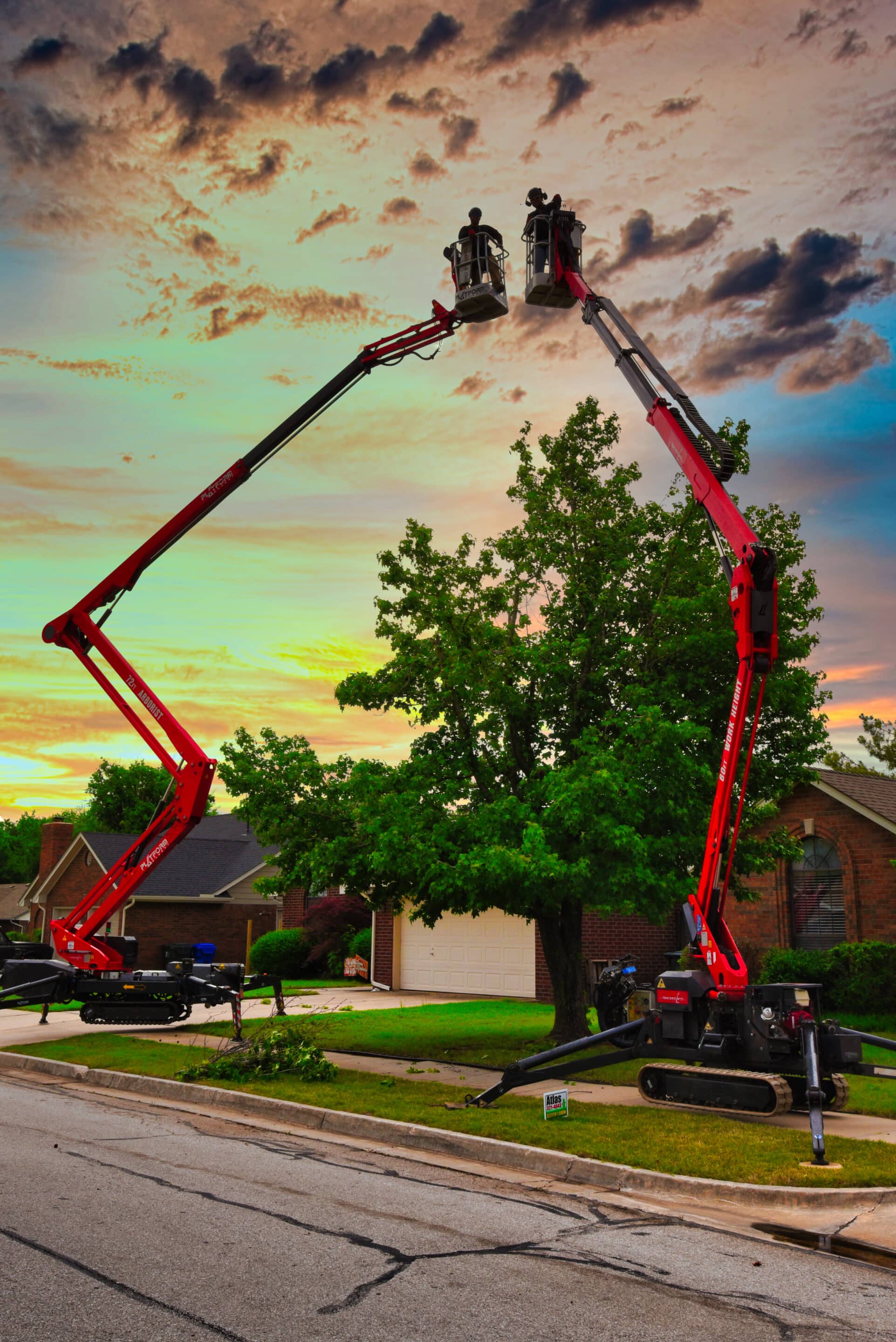
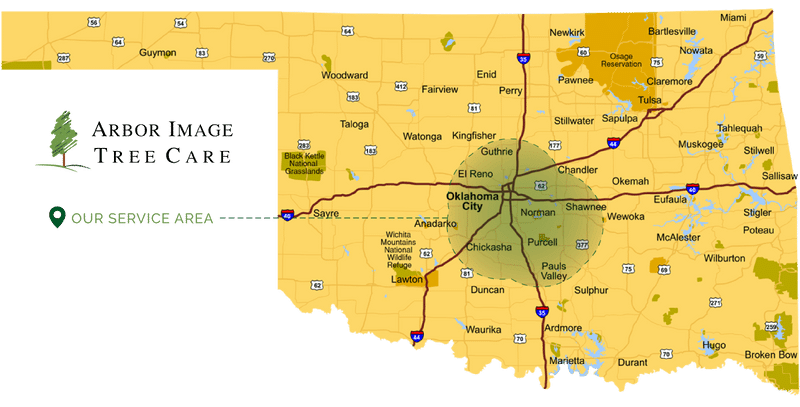
The good news is that our experienced team at Arbor Image Tree Care provides expert anthracnose disease treatment solutions to protect and restore trees in Oklahoma City and the surrounding areas. As a TCIA-accredited company staffed by ISA-certified arborists, we carefully diagnose tree diseases, identify contributing environmental factors, and create customized treatment plans tailored to the specific needs of your landscape.
Whether you have a single ornamental tree showing signs of stress or multiple mature trees affected by fungal disease, our team is here to help. Contact Arbor Image Tree Care today to schedule anthracnose treatment services and protect the long-term health of your trees.
Is It Worth It To Hire The Best Arborists?

ISA Certified
It takes three years of experience to even be eligible to apply for ISA certification. That means our ISA-certified team has seen it all and treated it all!

Best Practices
We take our time to prune correctly rather than using haphazard trimming practices like “topping” that makes your trees less sturdy.

Avoid Property Damage
Regular trims and careful tree removal reduce the chances that branches will fall and damage your home and landscaping.
What Is Anthracnose?
Anthracnose is a common fungal disease that affects a wide variety of shade and ornamental trees. The disease is most active during cool, wet weather conditions, making spring and early summer common times for symptoms to appear. Different species of fungi can cause anthracnose, and certain trees are more susceptible than others.
In Oklahoma, anthracnose commonly affects species such as:
- Sycamore trees
- Oak trees
- Maple trees
- Ash trees
- Dogwoods
- Elm trees
The disease primarily attacks leaves, twigs, and young shoots. Because of this, younger trees, newly planted trees, and stressed trees are often at greater risk for severe damage. Although, healthy, mature trees can be affected by repeated outbreaks, as well.
Common Signs of Anthracnose Disease
Anthracnose symptoms can vary depending on the species of tree and the severity of the infection. Some trees may experience mild cosmetic damage, while others can suffer from extensive canopy thinning and branch dieback. Professional diagnosis is important because anthracnose symptoms are sometimes confused with drought stress, insect damage, or other tree diseases.
Some of the most common signs of anthracnose disease include:
- Leaf Discoloration & Blotching: One of the earliest indicators of anthracnose is the appearance of irregular, water-soaked spots. As these spots age, they often turn tan, brown, or black. The spots may follow the veins of the leaf, creating a “V” or feathered appearance of necrotic (dead) tissue.
- Twisting or Curling Leaves: Infected leaves may curl or shrivel as the disease progresses. Young leaves and newly emerging growth are particularly vulnerable to fungal damage.
- Premature Leaf Drop: Trees affected by anthracnose often begin dropping leaves earlier than expected, such as in late spring or early summer.
- Branch Dieback: In more severe or chronic cases, the fungus moves from the leaves into the twigs. This can cause the ends of branches to die back.
- Sparse or Thinning Canopies: Trees dealing with repeated anthracnose infections may struggle to produce healthy foliage, resulting in a thinner canopy and reduced shade coverage.
Our Anthracnose Disease Treatment Process
Thorough Tree Inspection & Diagnosis
Our ISA-certified arborists begin with a detailed inspection of the affected tree and surrounding landscape conditions. We evaluate visible symptoms, identify stress factors, and determine the extent of fungal activity.
Targeted Treatment Recommendations
Once we identify the presence of anthracnose, we create a customized plant health care plan designed to reduce fungal spread and support healthy recovery. Depending on the situation, treatments may include:
- Fungicide Applications: For high-value trees or trees that have been severely weakened, we offer professional-grade fungicide treatments. These may be applied as foliar sprays in the early spring or through trunk injections, which deliver the medicine directly into the tree’s vascular system for long-lasting protection.
- Pruning Infected Branches: Tree pruning plays an important role in anthracnose management. This is because removing infected branches helps reduce fungal spores while improving airflow and sunlight penetration throughout the canopy. Our arborists follow industry best practices and ANSI pruning standards to protect the structural integrity and long-term health of your trees.
- Soil Health Improvements: We often combine disease treatment with deep-root fertilization or soil conditioning to ensure your tree has the nutrients it needs to recover and build a stronger immune system.
Why Professional Anthracnose Treatment Matters
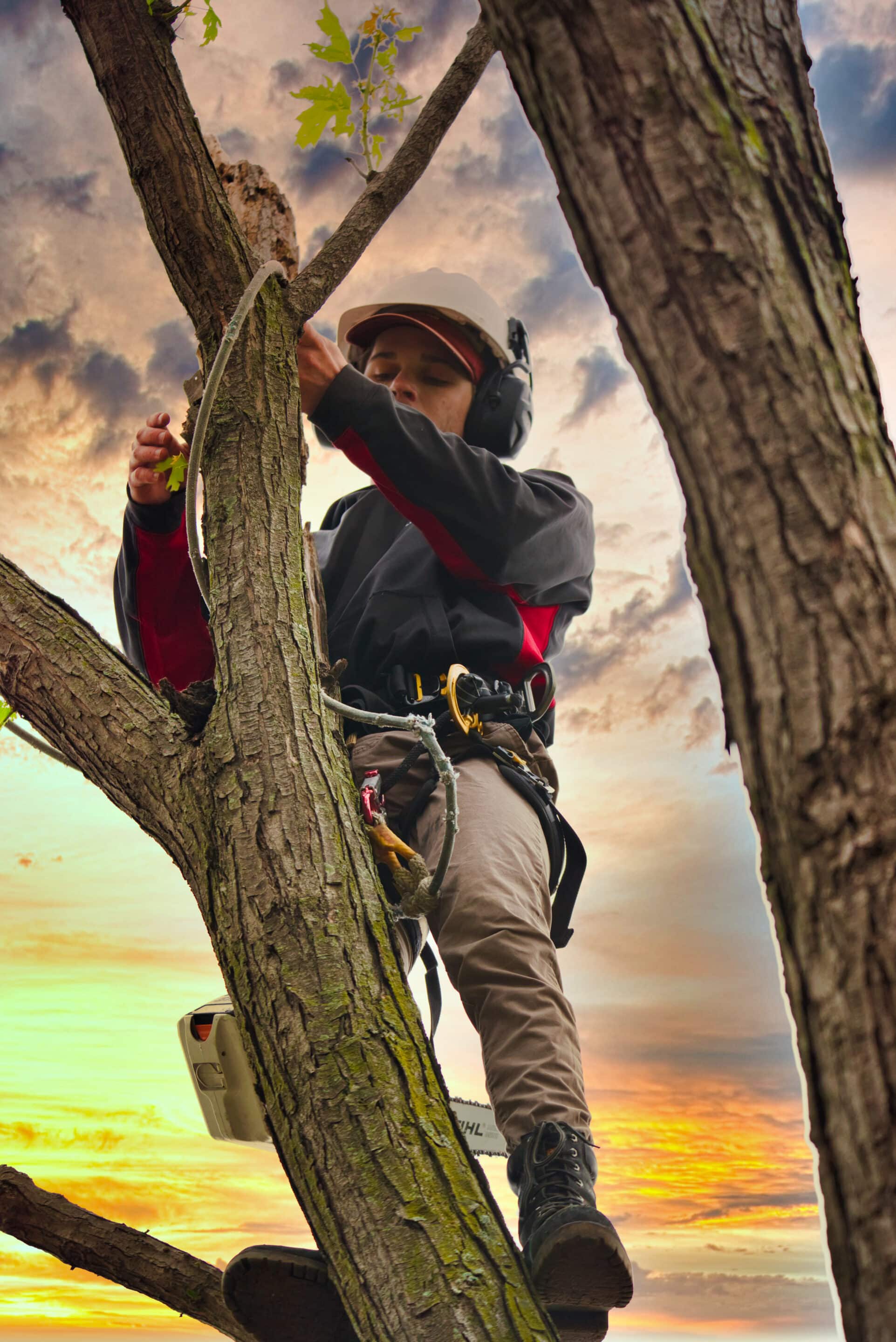
By partnering with a TCIA-accredited company like Arbor Image Tree Care, you are investing in the longevity of your trees. We understand the timing of Oklahoma City’s weather patterns and know exactly when to apply treatments for maximum efficacy. We’re also aware that many other issues, such as leaf scorch, iron chlorosis, and pest infestations, can mimic the signs of anthracnose. A professional diagnosis from our team ensures you aren’t spending money on the wrong treatments while the real problem continues to fester. Our professional tree care services also guarantee that high-powered treatments are applied safely, protecting your family, pets, and the local environment.
Protect Your Trees With Arbor Image Tree Care
- Tree trimming & pruning
- Tree removal
- Stump grinding
- Stump removal
- Debris clean-up
- Firewood preparation (optional)
Read More
Beyond the Branches: More Tree & Plant Health Care Services to Consider
Your landscape needs extend far beyond routine pruning, and we’re equipped to handle every challenge your trees might present. When severe weather strikes Oklahoma City, our storm damage cleanup crews respond quickly to remove fallen limbs, address split trunks, and assess which trees can be saved versus which pose immediate dangers. For trees showing structural instability, our tree cabling and bracing systems provide support that prevents failure while allowing continued growth.
Sometimes, despite our best efforts at preservation, tree removal becomes necessary when disease, damage, or placement issues make saving a specimen impractical or dangerous. Our removal process prioritizes protecting your property, surrounding plants, and the integrity of your landscape, leaving your yard ready for whatever comes next. We also offer ongoing plant health care solutions that address soil conditions, pest management, and nutritional needs, giving your entire landscape the attention it requires to flourish throughout the year.
Protect Your Trees With Arbor Image Tree Care
At Arbor Image Tree Care, we understand how important healthy trees are to the appearance, safety, and value of your property. Our team is committed to delivering honest recommendations, reliable service, and effective disease management solutions that prioritize the health of your trees.
Whether you are caring for mature shade trees surrounding your home or maintaining the appearance of trees on a commercial property, our ISA-certified arborists will identify anthracnose early, address contributing stress factors, and implement treatments that help restore healthy growth before the disease causes long-term decline.
If you are noticing signs of anthracnose disease, contact our team today to schedule a professional inspection and get a personalized disease management plan.

RESOURCES
“They keep our trees healthy by feeding them, pruning, shaping, checking them and spraying them for issues when they occur, which has been seldom since they are caring for them.”
-Rebecca G.
-Terry G.
-Syden D.
-Susan G.
Common Questions About Our Trimming & Removal Services
Still have questions? Ask An Arborist